On this page
Pio Clementino: the ancient sculptures
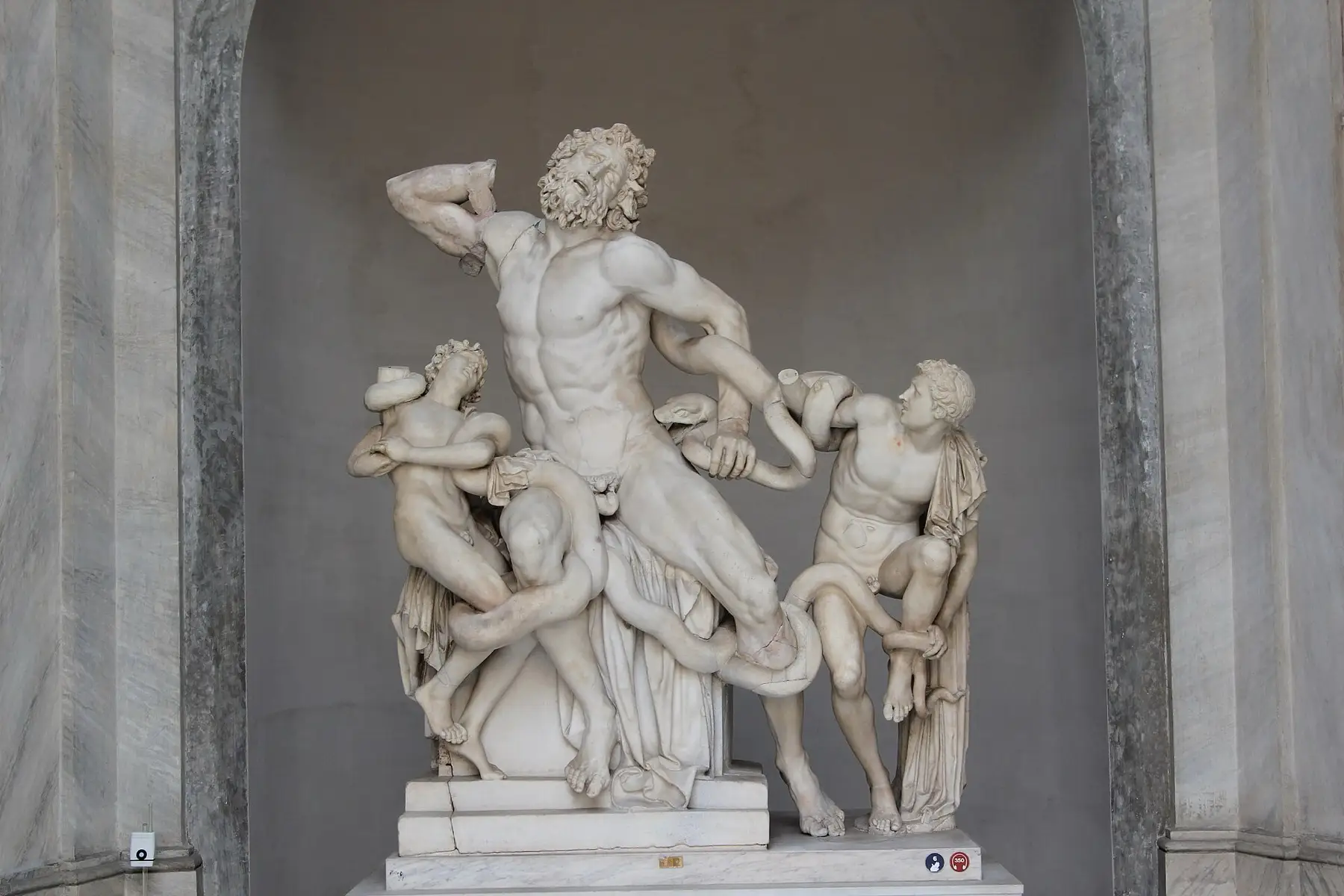
The museum is named after the two popes who founded it, Clement XIV and Pius VI. Its heart is the Octagonal Court, once called the Cortile delle Statue, where some statues have stood since the early 16th century.
- Laocoön group: found on the Esquiline Hill in Rome in 1506 and bought by Julius II.
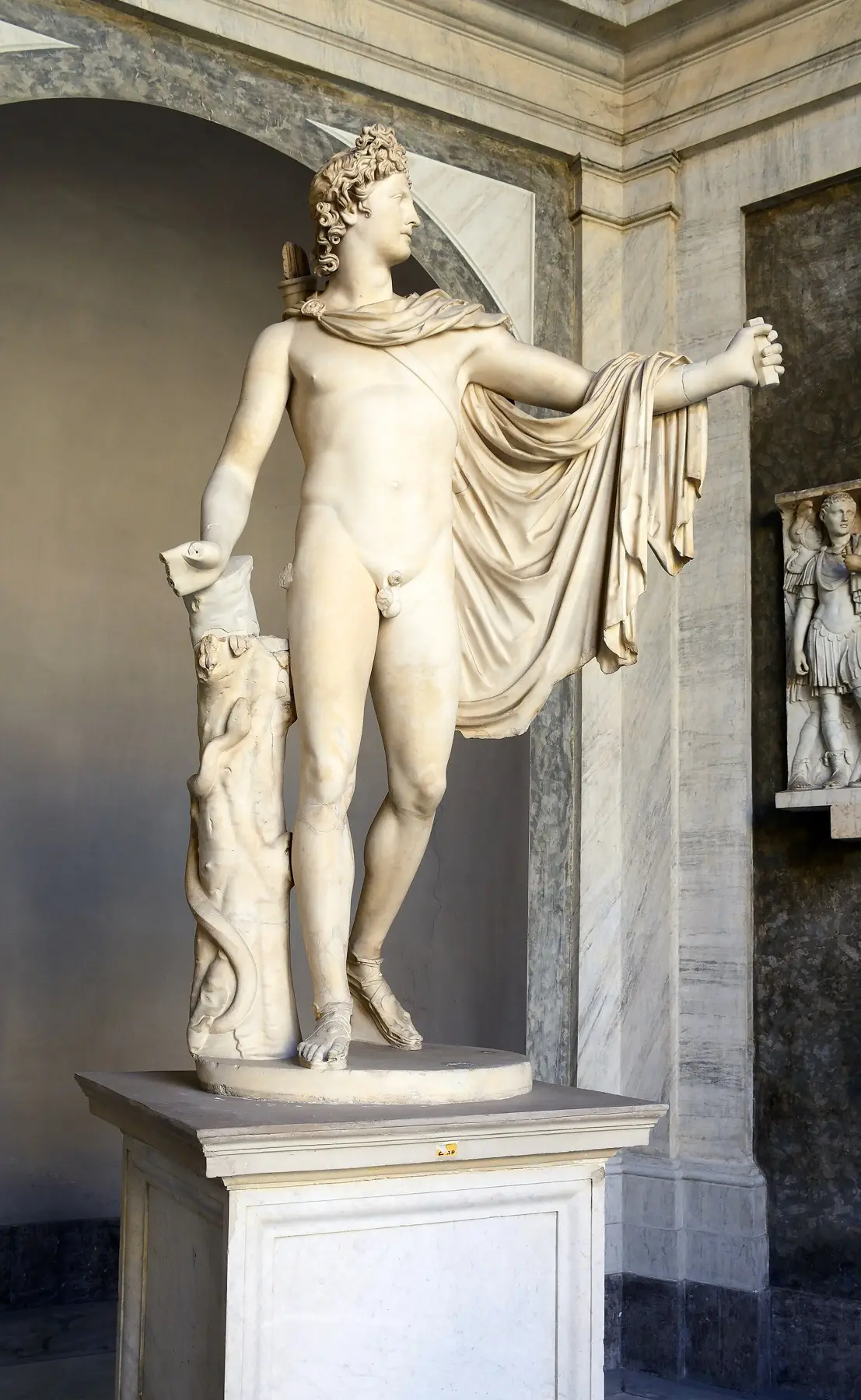
- Apollo Belvedere: found in Rome in 1489, a Roman copy of a Greek bronze.
- Belvedere Torso (Hall of the Muses): signed by the Athenian sculptor Apollonios.
More antiquities
- Chiaramonti Museum: opened in 1806 and laid out by Canova, with over a thousand ancient sculptures.
- Gregorian Egyptian Museum: founded by Gregory XVI in 1839, in 9 rooms.
- Gregorian Etruscan Museum: opened on 2 February 1837. From inside you can see Bramante's staircase, begun in 1512.
The three long galleries
- Gallery of the Candelabra: marble candelabra divide it into 6 sections; arranged under Pius VI in 1785–1788.
- Gallery of Tapestries: tapestries from the old papal collections under a ceiling painted in 1788–1789.
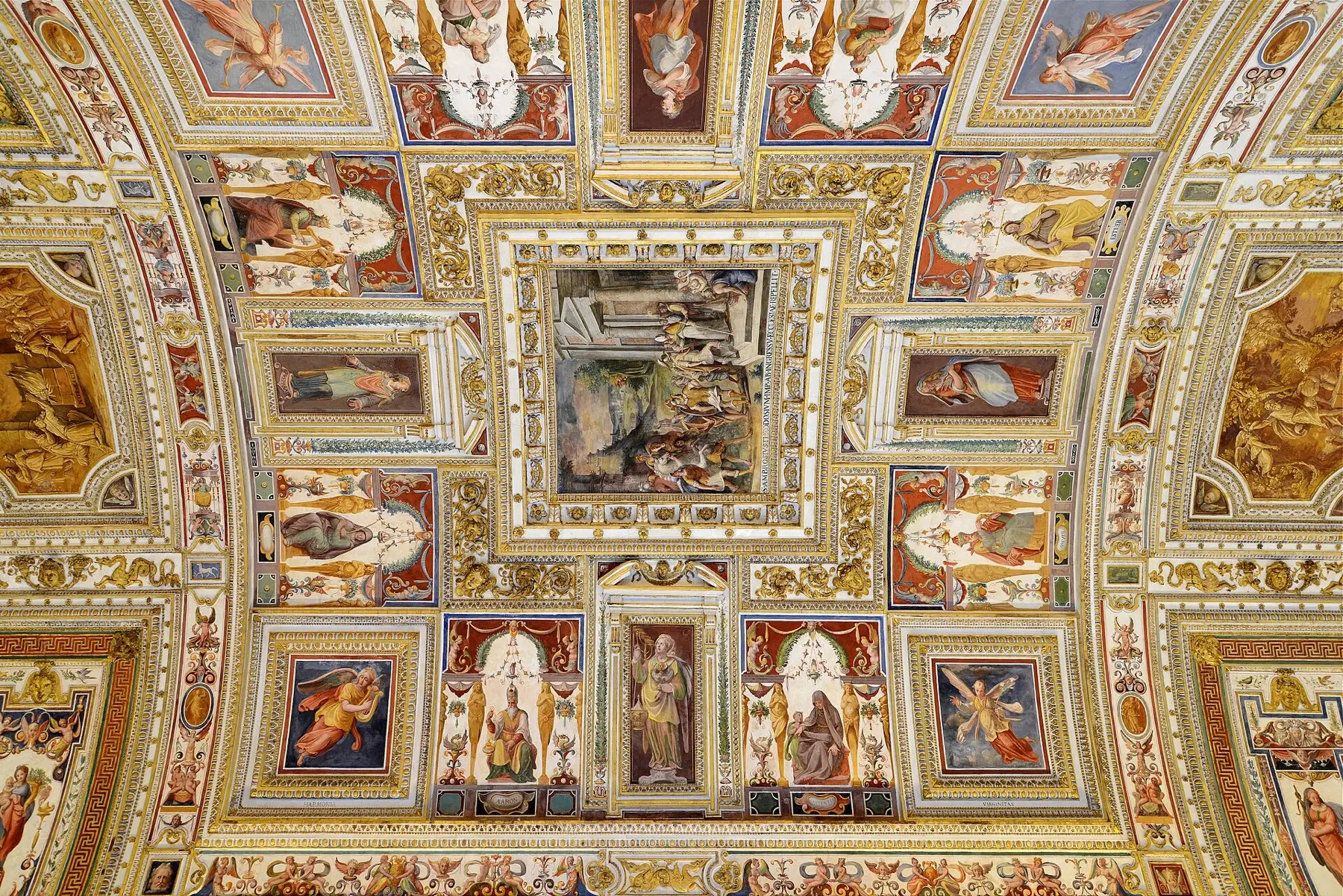
- Gallery of Maps: 120 metres long and 6 wide, named after its 40 painted maps of Italy and the lands of the Church, made for Gregory XIII.
The Raphael Rooms
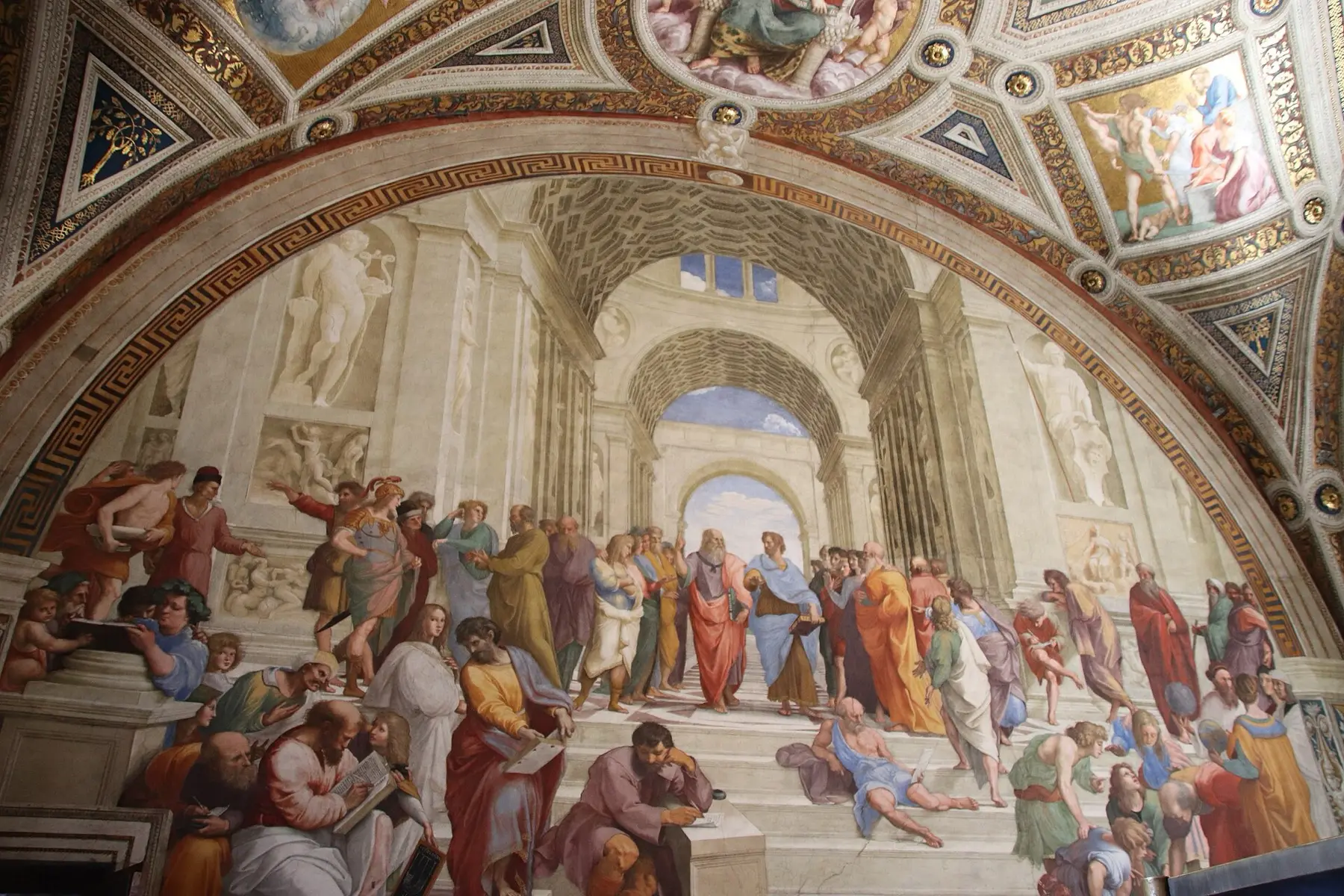
4 rooms of Julius II's apartment, painted by Raphael and his school from 1508 to 1524. The best known fresco is the School of Athens. More on the Raphael Rooms page.
Borgia Apartment and modern art
The 6 rooms decorated for Alexander VI now hold part of the Collection of Modern and Contemporary Art, opened on 23 June 1973. The collection has about 8,000 works, and a whole room dedicated to Matisse opened in 2011.
The Sistine Chapel
Michelangelo's ceiling (1508–1512) and Last Judgement (1536–1541), and the wall frescoes by Perugino, Botticelli and Ghirlandaio. No photos and silence inside: the Sistine Chapel.
The Pinacoteca
The picture gallery opened on 27 October 1932 in a building by Luca Beltrami; it has 460 paintings in 18 rooms.
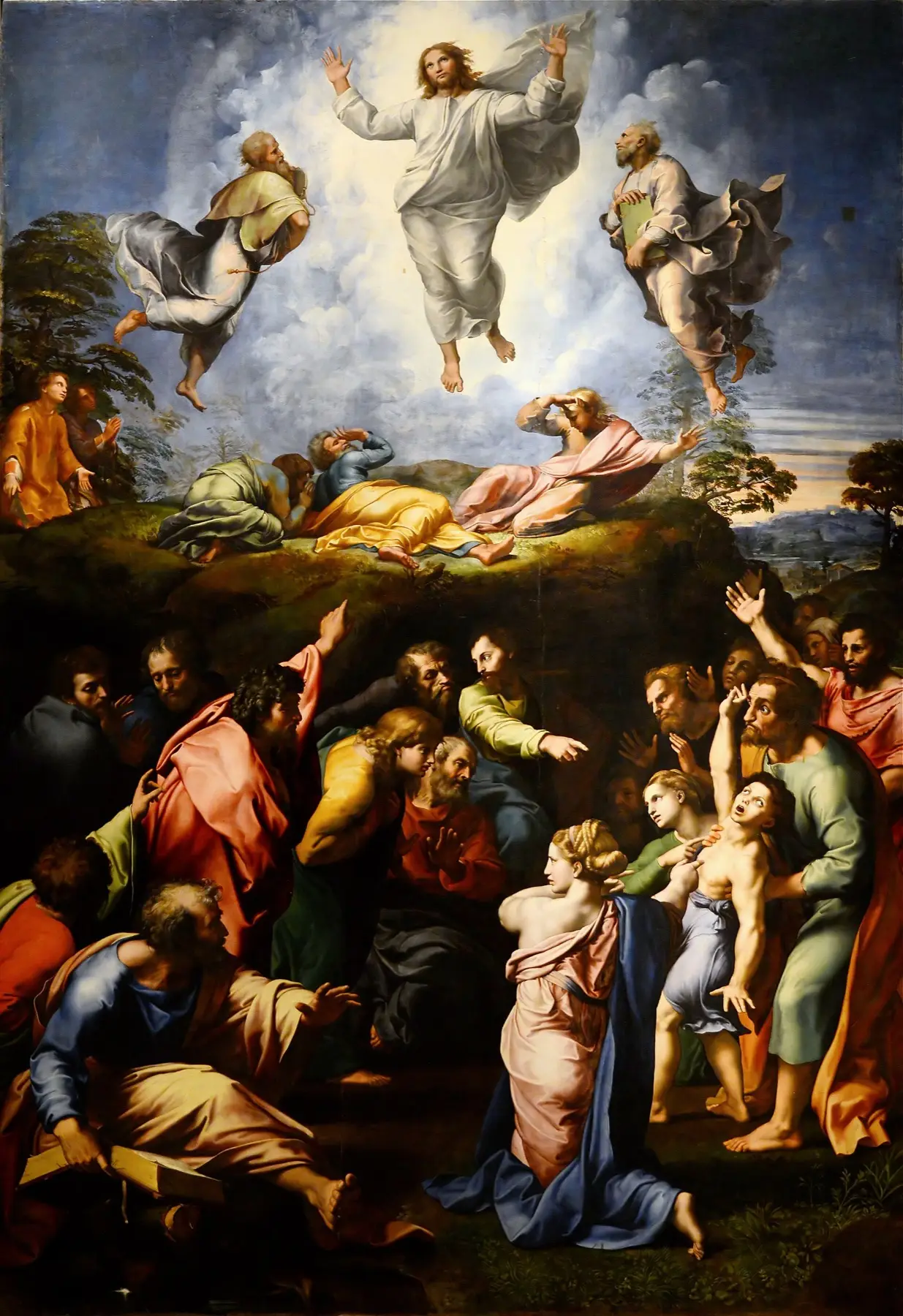
- Raphael, Transfiguration (1516–1520), room VIII: his last painting.
- Leonardo, St Jerome (about 1482), room IX: unfinished, bought by Pius IX in 1856.
- Caravaggio, Deposition (about 1600–1604), room XII: painted for a chapel in the Chiesa Nuova in Rome.
Courtyards and the way out
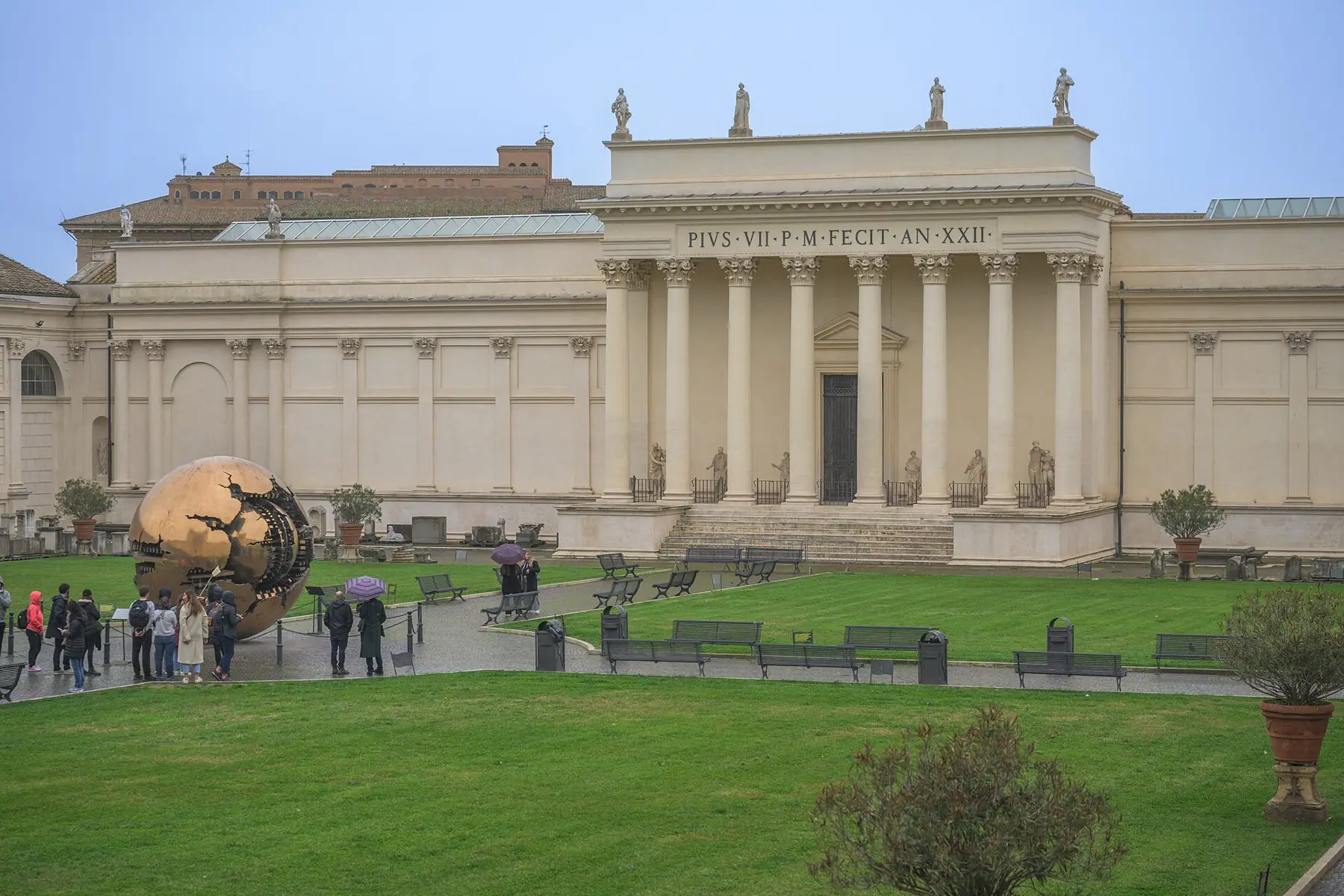
- Courtyard of the Pinecone (Cortile della Pigna): a long restoration has brought back its original travertine colour.
- Anima Mundi: the ethnological museum founded by Pius XI on 12 November 1926, with its new exhibition area opened in 2019.
- The Momo spiral staircase at the exit hall: the spiral staircase.
Planning the route
The official pages don't give a set route or a visit length. The official audio guide has over 400 commentaries and more than 3 hours of content: choose what matters to you. A guided tour picks the highlights for you.
Tickets and tours
- Vatican Museums & Sistine Chapel: timed entry Tiqets · Museums and Sistine Chapel with a set entry time · ★ 4.4/5 (49,694)from €38
- Vatican Museums & Sistine Chapel with a guide Tiqets · Guided tour, about 3 hours · ★ 4.3/5 (3,486)from €70
- Museums, Sistine Chapel & St Peter's with a guide Tiqets · Three visits in one guided tour · ★ 4.4/5 (5,787)from €57.50
Partner prices checked on 27 October 2026; you see the total before you pay.
Questions and answers
What are the must-see works in the Vatican Museums?
The Sistine Chapel, the Raphael Rooms with the School of Athens, the Laocoön and the Apollo Belvedere in the Octagonal Court, the Gallery of Maps and, in the Pinacoteca, Raphael's Transfiguration.
Is there Leonardo da Vinci in the Vatican Museums?
Yes: his unfinished St Jerome, in room IX of the Pinacoteca.
Is there a Caravaggio?
Yes: the Deposition, in room XII of the Pinacoteca.
How long is the Gallery of Maps?
120 metres, with 40 painted maps.
Where our information comes from
- Vatican Museums: Pio Clementino Museum — checked on 27 October 2026
- Vatican Museums: the Octagonal Court — checked on 27 October 2026
- Vatican Museums: Laocoön — checked on 27 October 2026
- Vatican Museums: Apollo Belvedere — checked on 27 October 2026
- Vatican Museums: Belvedere Torso — checked on 27 October 2026
- Vatican Museums: Gallery of Maps — checked on 27 October 2026
- Vatican Museums: Gallery of the Candelabra — checked on 27 October 2026
- Vatican Museums: Gallery of Tapestries — checked on 27 October 2026
- Vatican Museums: Pinacoteca — checked on 27 October 2026
- Vatican Museums: Raphael, Transfiguration — checked on 27 October 2026
- Vatican Museums: Leonardo, St Jerome — checked on 27 October 2026
- Vatican Museums: Caravaggio, Deposition — checked on 27 October 2026
- Vatican Museums: Chiaramonti Museum — checked on 27 October 2026
- Vatican Museums: Gregorian Egyptian Museum — checked on 27 October 2026
- Vatican Museums: Gregorian Etruscan Museum — checked on 27 October 2026
- Vatican Museums: Courtyard of the Pinecone — checked on 27 October 2026
- Vatican Museums: Borgia Apartment — checked on 27 October 2026
- Vatican Museums: Collection of Modern and Contemporary Art — checked on 27 October 2026
- Vatican Museums: Anima Mundi — checked on 27 October 2026