On this page
A papal chapel
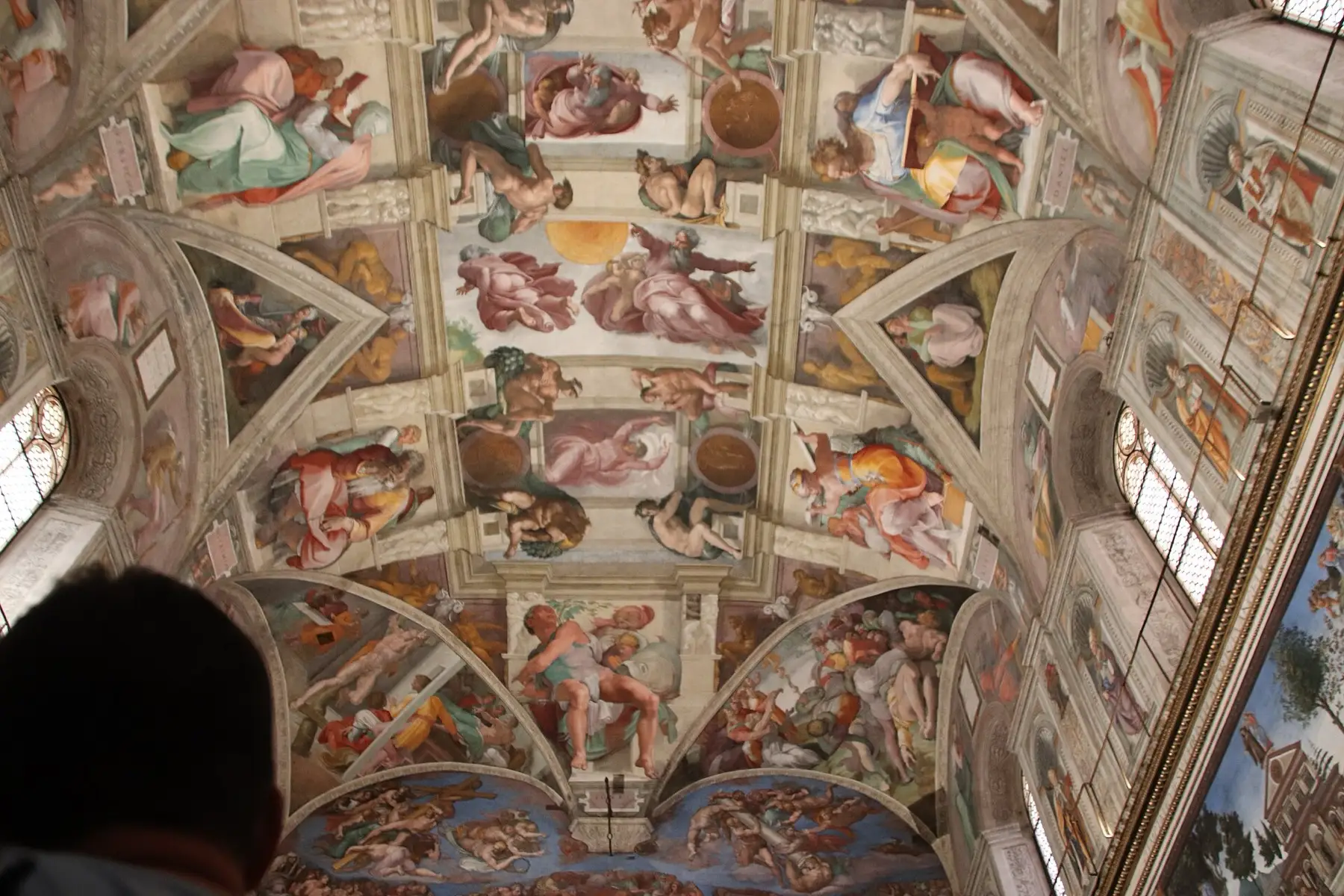
Sixtus IV della Rovere (pope from 1471 to 1484) had the old Cappella Magna restored between 1477 and 1480. It is still a working chapel: the conclave that elects the Pope is held here.
The walls: Perugino, Botticelli, Ghirlandaio
In 1481–1482 a team of painters, at first Pietro Perugino, Sandro Botticelli, Domenico Ghirlandaio and Cosimo Rosselli with their workshops, frescoed the walls with the Stories of Moses and of Christ and the portraits of popes. Among the assistants was Luca Signorelli.
Michelangelo's ceiling
Julius II gave the work to Michelangelo in 1508; the contract was signed on 8 May 1508. Michelangelo painted the ceiling and the lunettes on the upper walls. The work was finished in October 1512, and on 1 November 1512 Julius II inaugurated it with a Mass.
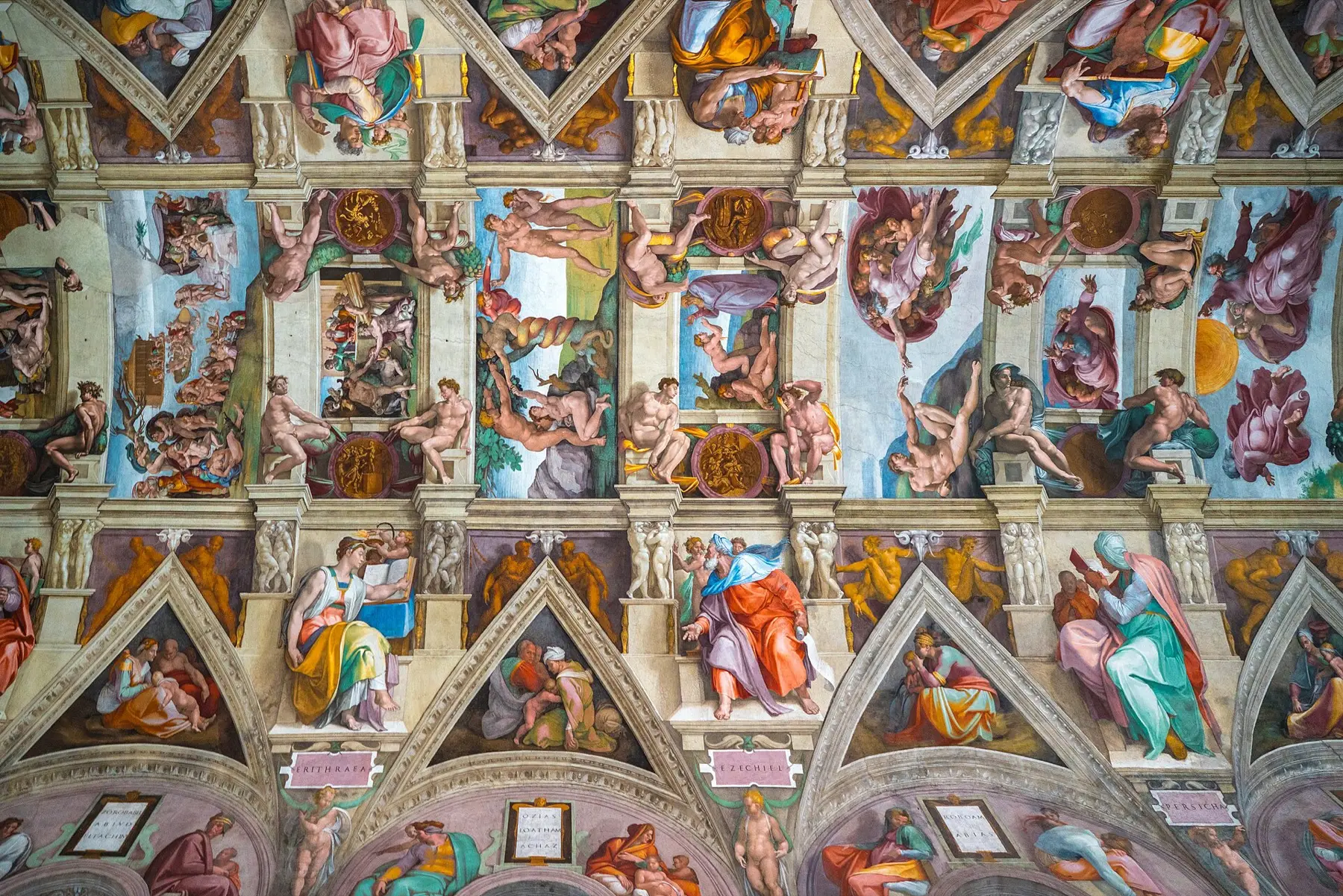
- 9 central stories from the Book of Genesis.
- 12 Prophets and Sibyls seated on thrones at the base of the painted architecture.
The Last Judgement
Michelangelo came back to the chapel to paint the altar wall: the Last Judgement, between 1536 and 1541.
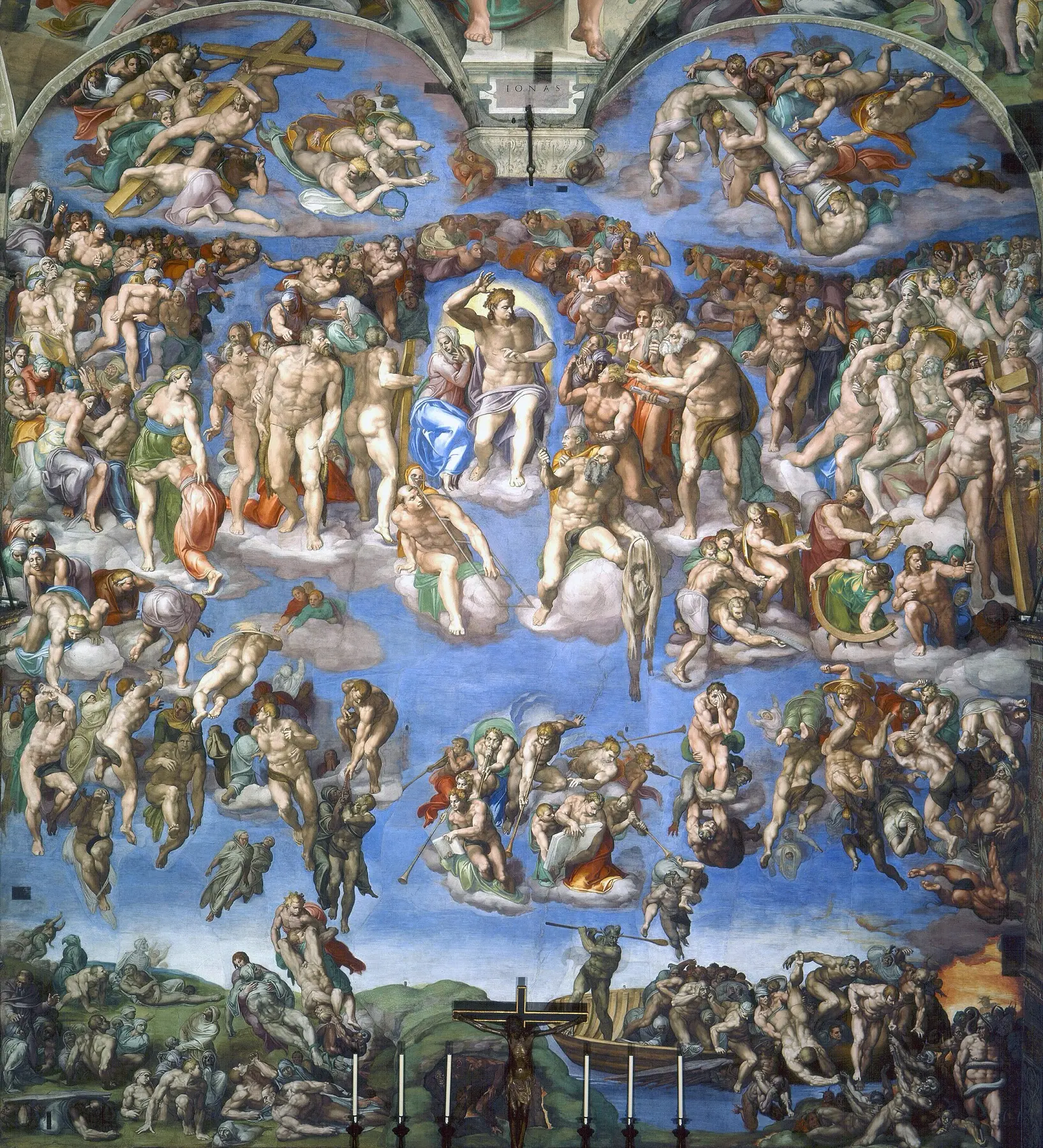
All the frescoes of the chapel were restored between 1979 and 1999.
Visiting the chapel
- The chapel is included in the Vatican Museums ticket (€20, or €20 + €5 online): Sistine Chapel tickets.
- No photos, no videos, no phones, and absolute silence. Guides explain before their group enters.
- Shoulders and knees covered, no hats (dress code).
Tickets and tours
- Vatican Museums & Sistine Chapel: timed entry Tiqets · Museums and Sistine Chapel with a set entry time · ★ 4.4/5 (49,694)from €38
- Vatican Museums & Sistine Chapel with a guide Tiqets · Guided tour, about 3 hours · ★ 4.3/5 (3,486)from €70
- Museums, Sistine Chapel & St Peter's with a guide Tiqets · Three visits in one guided tour · ★ 4.4/5 (5,787)from €57.50
Partner prices checked on 27 October 2026; you see the total before you pay.
Questions and answers
Who painted the Sistine Chapel?
The walls: Perugino, Botticelli, Ghirlandaio and Cosimo Rosselli with their workshops (1481–1482). The ceiling (1508–1512) and the Last Judgement (1536–1541): Michelangelo.
How long did Michelangelo take to paint the ceiling?
From 1508 (contract of 8 May 1508) to October 1512; the first half was finished in August 1510.
Why is it called Sistine?
After Pope Sixtus IV della Rovere, who had the old Cappella Magna restored.
Can I take pictures?
No. Photos and videos are forbidden in the chapel.
Where our information comes from
- Vatican Museums: the Sistine Chapel, history — checked on 27 October 2026
- Vatican Museums: the ceiling — checked on 27 October 2026
- Vatican Museums: the Last Judgement — checked on 27 October 2026
- Vatican Museums: useful advice — checked on 27 October 2026